01
// IDENTITY
Real actors
User, agent, tenant, project, environment, task, approval chain. No anonymous automation.
Weles Enterprise is the governed execution layer for companies that want open-source agents inside real systems: identity, permissions, tool brokering, sandboxing, approvals, and replayable audit.
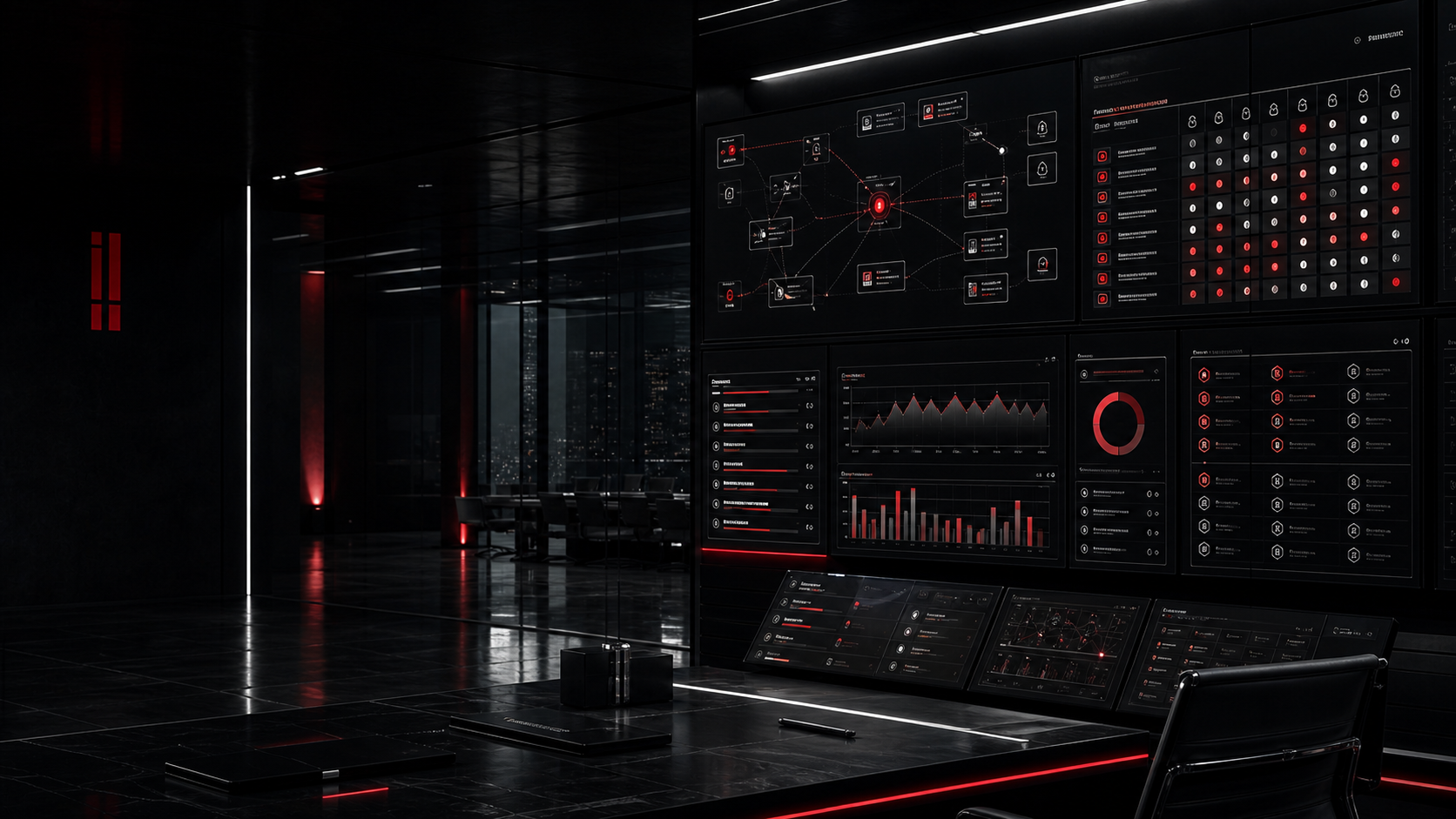
The model may plan, reason, and request action. It never decides what it is allowed to do. Authority lives in Weles: policy, scoped secrets, tool execution, approvals, and audit.
User, agent, tenant, project, environment, task, approval chain. No anonymous automation.
Permissions are evaluated outside the model by role, data class, tool risk, and resource.
Agents see a reduced tool surface. Every call is checked, scoped, logged, and returned as evidence.
Prompts, retrieved docs, denied calls, approvals, tool I/O, artifacts, cost, and errors are reconstructable.
Enterprises will not standardize on one hosted black-box agent. Teams will bring their own open-source agents, frameworks, models, and tools. Weles gives those agents a controlled operating layer before they touch company systems.
This is not a chatbot with SSO. It is infrastructure for autonomous work: a tool firewall, a policy engine, an approval system, a sandbox broker, and an audit trail built for internal systems.
Use the agent you trust. Run it where your data is allowed to live. Let Weles decide what it may see and do.
One task. One scoped runtime. One explicit policy envelope. Credentials are temporary, network access is bounded, and the final artifact has a trail.
Security and platform teams need a matrix: who can run which agent, what it can read, what tools it can call, which actions need approval, and what model boundary applies.
Configure each open-source agent by role, project, environment, risk class, and resource.
Engineering, SRE, security, data, and operations teams can run different open-source agents under the same enterprise control plane.
Reads repos, explains code, creates patches, opens PRs, and observes CI without production authority.
Reads logs, metrics, and runbooks, then proposes remediation behind approval gates.
Enriches alerts, triages vulnerabilities, creates tickets, and preserves suppression controls.
Queries approved datasets, respects row-level security, and blocks restricted exports by default.
Reads CRM context, drafts external communication, updates notes, and requires confirmation to send.
Weles is strongest where agent work meets regulated data, internal systems, private infrastructure, and audit obligations.
Shared gateway, SSO, basic policy, central logs, and brokered connectors.
Kubernetes, customer VPC, customer database, customer secrets manager.
Azure OpenAI, Bedrock, local Qwen/Llama, or classification-based routing.
CMK, private endpoints, strict retention, SIEM export, and replay reports.
No external telemetry, explicit model boundary, egress control, offline operation.
Weles gives companies a hard operating layer between agent autonomy and internal systems: policy, brokered tools, scoped credentials, approvals, isolation, and audit.